


Picking a wallet is really about picking a security model you can live with. Start by asking two plain questions: How much value will I hold? and How often will I transact? A daily-driver wallet for small payments can prioritize convenience; long-term holdings should be locked behind stronger controls.
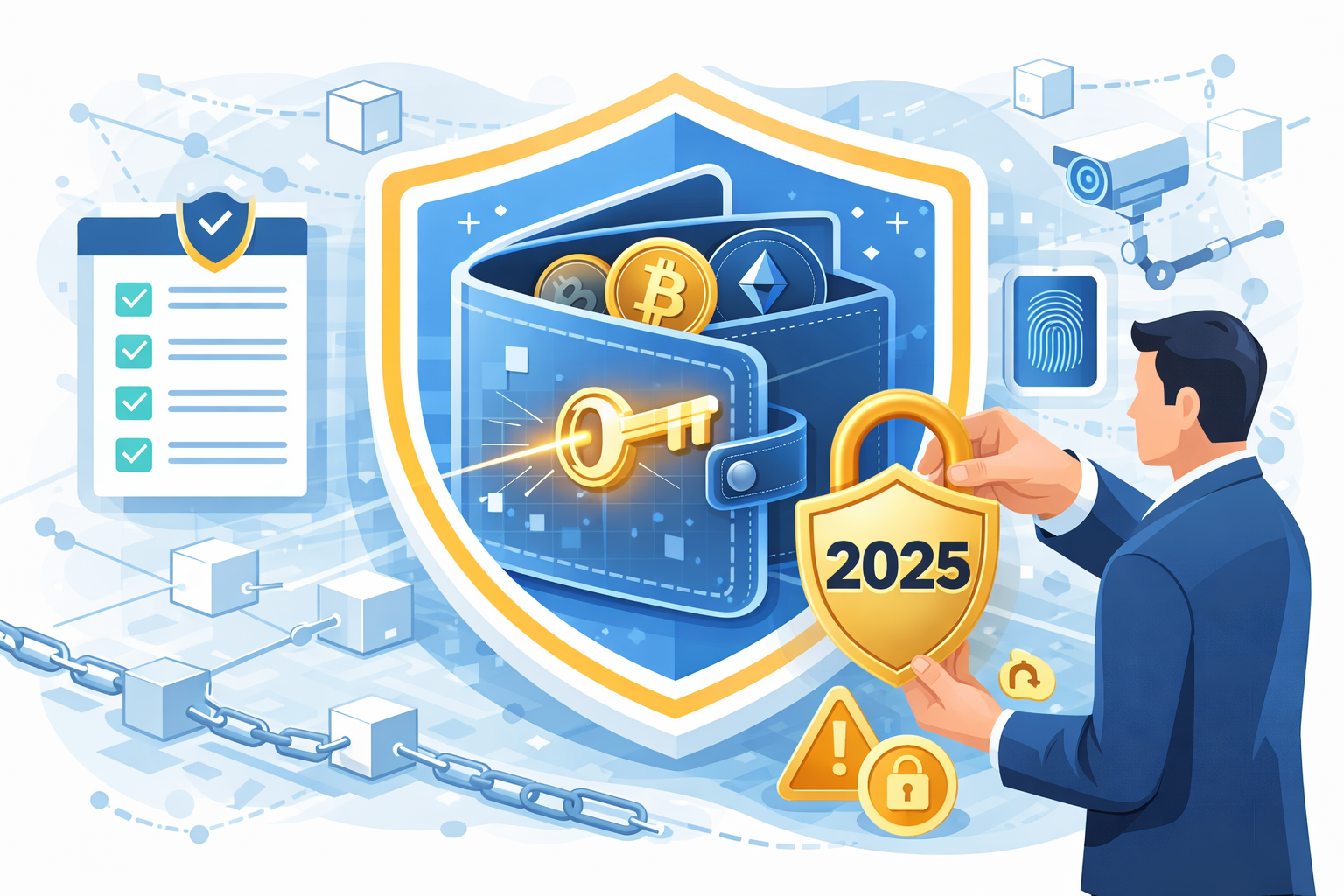
In 2025, most secure setups are non-custodial: your keys live on your device, not on an exchange. That means responsibility—but also true ownership. Within non-custodial, you’ll see three common patterns:
Look for clear, verifiable evidence—not slogans. A trustworthy wallet will document audits, disclose how it encrypts keys on-device (e.g., Secure Enclave/Keystore), and support hardware wallets for high-value transfers. Human-readable signing (EIP-712), visible chain IDs, and explicit approval scopes are must-haves. Features like transaction simulation and address books help prevent mis-sends and signature scams; some apps (e.g., React Wallet) add advanced price alerts and gas-saving tooling to reduce costly mistakes across 21+ networks.
Quick test: try a $1 test send on the network you’ll actually use. You should see a clear fee breakdown, a readable signature prompt, and an easy way to verify the transaction on a block explorer.
Security isn’t only cryptography; it’s design. A safer wallet surfaces risk at the moment of action: warnings for suspicious approvals, spoofed tokens, and unexpected chain switches. It should make revoking approvals obvious, highlight ENS/address-book aliases, and discourage pasting raw addresses from chat apps. If you use a built-in dApp browser or WalletConnect, expect clear session lifetimes and one-tap disconnects. For savings, look for batching or fee-aware routing on supported networks (e.g., TRON, major EVM chains); fewer, smarter transactions often mean fewer mistakes.
Seed phrases requested inside a browser page; opaque permissions like “read messages” or “access clipboard” without reason; no audit history; fake “support” groups asking you to screen-share; or closed-source extensions with anonymous maintainers and aggressive marketing. If anything feels rushed or noisy, treat it as a phishing attempt.
Often, yes. Many users keep a hot wallet for daily spend and a hardware-backed wallet (or AA wallet with strict policies) for savings. A multi-chain app that supports both patterns can simplify life: one interface, different security per account. React Wallet, for example, is designed to pair everyday use (simulation, alerts, address book) with safer flows for higher-value moves, without shifting custody to a third party.


%201.png)


